

Views: 0 Author: Site Editor Publish Time: 2026-07-20 Origin: Site


Deploying an Open Type Generator outdoors forces site operators to balance high power capacity against the harsh realities of environmental exposure. Unprotected electrical generation equipment left vulnerable to weather, dust, and severe temperature fluctuations faces accelerated degradation. This exposure introduces significant safety hazards and potential compliance failures regarding local environmental and electrical codes. Determining if this equipment can operate safely outside requires a strict technical evaluation of the surrounding infrastructure. We must look beyond the machine itself to determine how to effectively utilize an open frame generator in an outdoor setting. The focus remains heavily on mandatory secondary infrastructure, environmental risk mitigation, and site-specific safety protocols to ensure reliable power delivery without compromising equipment lifespan.
Suitability is Conditional: An open type generator is not inherently weatherproof; outdoor use strictly requires secondary infrastructure (protective shelters or sheds) to prevent water ingress and corrosion.
Acoustic Limitations: Without a sound-attenuating canopy, noise levels restrict deployment in residential or densely populated commercial zones due to municipal noise ordinances. It is best suited for remote, agricultural, or uninhabited industrial zones.
Thermal and Maintenance Advantages: The exposed design offers superior ambient cooling and unobstructed access for maintenance, making it ideal for remote, high-temperature, or industrial applications where shelter is already available.
Financial Shift: The lower initial capital expenditure of an open frame unit must be weighed against the added costs of building compliant, ventilated outdoor enclosures.
The foundation of this equipment relies on a heavy-duty skid base. This base supports the exposed engine, alternator, cooling system, and control panel. Heavy-duty diesel generator sets utilize thick, vibration-isolated steel skids designed for stationary or semi-permanent mounting. Smaller portable units rely on lighter tubular frames equipped with wheel kits. Standard frame materials typically include galvanized steel or powder-coated tubular steel. These coatings provide a baseline resistance to environmental wear and structural stress. However, the internal components remain entirely exposed to the surrounding atmosphere. You will notice that the wiring harnesses, fuel lines, and air intake manifolds lack any secondary physical barrier against falling debris or lateral impacts.
When evaluating the structural integrity for outdoor deployment, operators must inspect the weld points and the quality of the powder coating. A single scratch on the tubular frame can invite rapid oxidation when exposed to morning dew or high humidity. Industrial units often feature lifting eyes integrated directly into the base frame, allowing crane operators to hoist the equipment safely. This structural rigidity is necessary for rough handling on active job sites, but it does not compensate for the lack of environmental shielding.
Industrial alternators and control panels carry specific Ingress Protection (IP) ratings. A standard exposed alternator might hold an IP23 rating. This rating means the unit resists solid objects larger than 12mm and water falling as a spray at up to a 60-degree angle from the vertical. It does not protect against wind-driven rain, heavy snow, or fine particulate matter like dust and sand. Sensitive components, including the automatic voltage regulator (AVR) and digital control interfaces, remain highly vulnerable. Moisture ingress quickly leads to electrical shorts, stator winding damage, and catastrophic equipment failure.
| Component | Typical IP Rating | Vulnerability Profile |
|---|---|---|
| Alternator Enclosure | IP23 | Susceptible to wind-blown rain and fine dust accumulation. |
| Control Panel | IP44 (varies) | Resists splashing water, but heavy downpours can penetrate seals. |
| Engine Block / Intake | None | Direct exposure to moisture can cause rust and hydro-locking if water enters the intake. |
| Wiring Harnesses | IP54 (connectors) | UV degradation weakens wire insulation over time, leading to shorts. |
Despite environmental vulnerabilities, the exposed design serves as a highly durable power source on active construction sites and utility jobsites. Rugged environments demand equipment that can absorb physical impacts. The heavy steel skid allows operators to drag or lift the unit into position using heavy machinery. In these scenarios, permanent installation is rarely feasible. Site crews deploy temporary weather protection during operation and move the unit as the project advances. The raw structural durability compensates for the lack of integrated weatherproofing, provided operators manage moisture exposure actively.
Field mechanics appreciate the straightforward nature of these units. When a loader accidentally bumps the generator, the steel frame takes the hit, protecting the engine block. You can hammer out a bent tubular frame in the field. You cannot easily fix a crushed acoustic canopy. This ruggedness makes the exposed configuration a staple in mining operations, logging camps, and early-stage construction phases where aesthetic appeal matters less than raw functional durability.
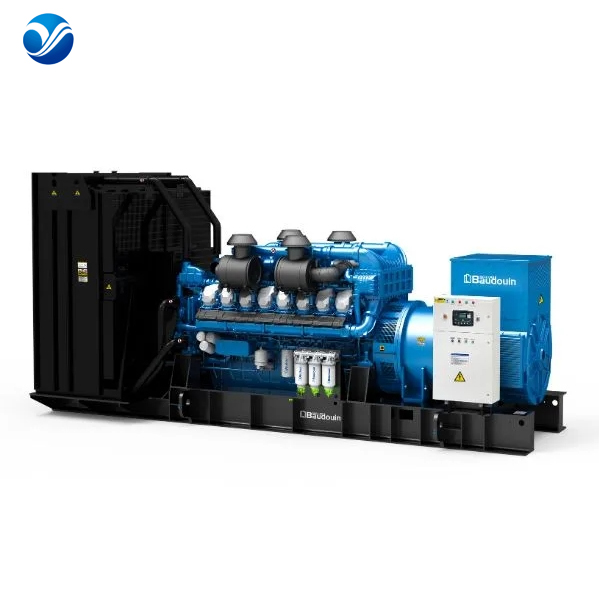
Enclosed canopies feature factory-engineered weatherproofing. These enclosures utilize acoustic foam, weather-stripped doors, and louvered ventilation to block rain and snow while permitting airflow. Conversely, an exposed unit relies entirely on external structures for weather resistance. Continuous ultraviolet (UV) exposure severely degrades exposed rubber hoses, drive belts, and plastic component housings over time. Without a canopy, operators must implement strict inspection schedules to identify and replace UV-damaged components before they fail under load.
Consider the impact of a coastal environment. Salt-laden air accelerates corrosion on exposed metal surfaces exponentially faster than in inland areas. An enclosed unit provides a physical barrier that slows this process, whereas an exposed frame requires constant application of anti-corrosion inhibitors. Operators must weigh the labor hours required for this preventative maintenance against the upfront cost of a factory enclosure.
Decibel (dB) output dictates where you can legally deploy power equipment. Exposed units routinely exceed 85 to 100 dB under full load. This noise level violates most municipal noise ordinances in residential and inhabited commercial zones. Deployment in these areas requires extensive, custom-built acoustic barriers. Uninhabited, remote locations—such as agricultural fields or isolated mining sites—tolerate these high noise levels. Site managers must consult local zoning laws and OSHA noise exposure regulations to determine if an exposed unit remains legally viable for their specific outdoor location.
Measure the baseline ambient noise level at the property line before deployment.
Consult the equipment specification sheet for the rated sound power level (LwA).
Calculate the expected noise drop-off over distance (typically a 6 dB reduction for every doubling of distance).
Compare the calculated property line noise level against local municipal ordinances.
Design secondary acoustic barriers (e.g., earth berms, sound-absorbing walls) if the calculated level exceeds legal limits.
Heat dissipation represents the primary operational advantage of an exposed design. High-ambient-temperature environments severely test enclosed units. Heat buildup inside a canopy often forces the engine to derate, reducing the maximum power output to prevent overheating. An exposed frame allows unrestricted ambient cooling. The radiator and engine block shed heat directly into the surrounding atmosphere. This thermal advantage makes exposed units highly efficient in desert climates or high-temperature industrial facilities, provided a simple sunshade blocks direct solar radiation.
In applications requiring continuous prime power, thermal efficiency directly impacts fuel consumption and engine longevity. An engine running cooler maintains optimal oil viscosity, reducing internal friction and wear. Facility managers in regions experiencing extreme summer temperatures often prefer exposed units housed under open-sided pole barns to maximize natural cross-ventilation while providing basic overhead weather protection.
Permanent outdoor deployment demands secondary protection. You cannot leave exposed electrical equipment in the rain. Acceptable structures include ventilated lean-tos, custom-built generator sheds, or retrofitted shipping containers. Structural requirements mandate extended roof overhangs to block wind-driven rain. The equipment must sit on a raised concrete pad to prevent pooling water from reaching the skid base. Directional weather shielding should block prevailing winds while maintaining wide openings for intake and exhaust air.
When constructing a generator shed, operators must account for maintenance clearances. A shelter built too tightly around the frame defeats the primary advantage of an exposed unit: accessibility. Design the structure with removable side panels or wide double doors. Ensure the roof height accommodates lifting equipment if the engine requires major overhaul or replacement. The concrete pad should extend at least three feet beyond the generator footprint to provide a stable, clean working surface for technicians.
Combustion engines produce lethal carbon monoxide. Strict clearance requirements dictate that generator exhaust must remain far away from occupied structures. Standard safety protocols require a minimum 20-foot clearance from any doors, windows, or building vents. Building a protective shed introduces severe ventilation risks. Improper shed ventilation leads to rapid equipment overheating. Worse, it causes fatal CO accumulation inside the structure. Shed designs must incorporate forced-air intake fans and dedicated exhaust louvers that match the engine's specific cubic-feet-per-minute (CFM) airflow requirements.
Exhaust routing requires careful planning. The exhaust pipe must exit the shelter and direct gases upward and away from any nearby air intakes. Use insulated thimbles where the hot exhaust pipe passes through the shelter wall or roof to prevent fire hazards. Install commercial-grade carbon monoxide detectors inside any adjacent occupied buildings, regardless of the distance from the generator shelter.
Sudden power loss scenarios require rapid deployment. Operating a portable unit temporarily during rain or snow requires immediate protective measures. Never run exposed electrical equipment in wet conditions without a cover. Approved temporary covers include specialized running tents and heavy-duty pop-up canopies. These covers prevent vertical water ingress while maintaining critical ventilation clearances. Never use standard plastic tarps to cover a running engine. Tarps trap heat, block intake air, and create severe fire hazards.
For temporary setups, site selection is critical. Choose high ground to avoid flash flooding. Ensure the exhaust points downwind to disperse fumes quickly. If deploying on soft soil, place heavy plywood sheets under the skid to prevent the unit from sinking and to maintain a level operating angle, which is necessary for proper engine oil circulation.
Wet environments amplify electrocution risks. The National Electrical Code (NEC) outlines strict requirements for grounding outdoor power equipment. Operators must drive a copper grounding rod into the earth and bond it to the generator frame using appropriate gauge wire. Temporary outdoor setups must utilize Ground Fault Circuit Interrupter (GFCI) receptacles to protect users from stray currents. Permanent outdoor installations require weatherproof transfer switch connections and specialized conduit to protect wiring from moisture and physical damage.
Regularly test the grounding system using a clamp-on earth resistance tester. Soil conditions change with the seasons; dry summer soil offers higher electrical resistance than wet spring soil. Ensure the grounding rod penetrates deep enough to reach permanently moist earth. Inspect all external cable connections for signs of water ingress or corrosion, replacing any compromised connectors immediately.
Evaluating the financial viability requires comparing initial capital expenditure against required infrastructure investments. The purchase price of an exposed unit is significantly lower than a comparable enclosed model. However, operators must calculate the cost of building a compliant, ventilated outdoor shelter. Materials for a concrete pad, weather-resistant roofing, structural framing, and forced-air ventilation quickly add up. In many cases, the combined cost of the exposed unit and the custom shed equals or exceeds the price of a pre-packaged weather-protective enclosed unit.
Site managers must also factor in the cost of permits and inspections required for permanent outdoor structures. A factory-enclosed unit often bypasses these requirements, as it is considered a self-contained piece of equipment rather than a permanent building addition. Analyze the specific site conditions and existing infrastructure before committing to an exposed configuration.
Unobstructed access drastically reduces maintenance labor hours. Mechanics can instantly reach oil drains, fuel filters, drive belts, and the alternator without navigating cramped canopy doors. This accessibility speeds up routine servicing and simplifies major engine overhauls. For operations running continuous prime power, the cumulative labor savings from faster maintenance turnarounds provide a strong financial incentive to utilize exposed units inside existing ventilated outbuildings.
| Maintenance Task | Exposed Unit Time Estimate | Enclosed Unit Time Estimate |
|---|---|---|
| Oil and Filter Change | 30 Minutes | 45 - 60 Minutes |
| Drive Belt Replacement | 15 Minutes | 40 Minutes (requires panel removal) |
| Alternator Inspection | 10 Minutes | 30 Minutes |
| Radiator Core Cleaning | 20 Minutes | 50 Minutes |
Logistical differences impact site scalability. Moving a heavy-duty exposed unit requires a forklift or a crane to lift the steel skid. Relocating these units demands heavy machinery and careful rigging to avoid damaging exposed components. Trailer-mounted enclosed units offer superior mobility for rapid relocation across large job sites. Operators must assess how frequently they intend to move the equipment when deciding between a stationary skid-mounted frame and a mobile enclosed solution.
If your operation requires frequent repositioning, factor in the cost of heavy equipment rentals and rigging labor. An exposed unit bolted to a concrete pad serves well as a permanent standby source, but it fails as a nimble, mobile power solution. Plan your site layout to minimize the need for future generator relocation.
Moisture remains the primary enemy of exposed electrical components. Condensation builds up on stator windings during offline periods, leading to insulation failure upon startup. Operators must implement anti-condensation heaters within the alternator housing to keep windings dry. Custom-fitted breathable tarps protect the unit during offline periods but must be removed before operation. Upgrading control panel enclosures to NEMA 3R or NEMA 4 standards ensures the sensitive digital electronics remain protected from windblown rain and dust.
Implement a strict pre-start inspection protocol. Technicians must verify that all protective covers are removed and check for any signs of standing water near the electrical terminals. Use dielectric grease on all exposed wiring connections to repel moisture and prevent galvanic corrosion.
Continuous exposure to humidity and atmospheric pollutants accelerates rust on the steel frame and engine block. Mitigation requires routine application of heavy-duty anti-corrosion sprays on exposed metal surfaces. Elevating the unit on vibration isolators above the concrete grade prevents the steel skid from sitting in standing water. Maintenance teams must conduct regular inspections of galvanized coatings and immediately treat any deep scratches or chips with zinc-rich cold galvanizing compound to halt rust propagation.
Inspect the skid base monthly for signs of rust or paint flaking.
Apply a lanolin-based anti-corrosion film to exposed engine components before the wet season.
Ensure the concrete mounting pad slopes slightly away from the generator to promote rapid water runoff.
Replace any rusted mounting hardware with stainless steel equivalents.
Outdoor temperature extremes severely impact diesel fuel stability. High heat accelerates microbial growth and fuel degradation, while freezing temperatures cause diesel to gel, clogging filters and stalling the engine. Mitigation strategies include utilizing chemical fuel stabilizers and biocides year-round. Cold climates require the installation of engine block heaters and specialized winter-blend diesel. Furthermore, operators must ensure external fuel tanks remain shaded from direct solar radiation to prevent excessive thermal expansion and condensation buildup inside the tank.
Install a high-capacity fuel water separator to catch condensation before it reaches the injection pump. Drain the separator bowl weekly during periods of high humidity or extreme temperature fluctuations. Maintain a full fuel tank to minimize the air volume inside the tank, which reduces the amount of condensation that can form on the interior walls.
An exposed generator configuration serves as a powerful, accessible energy source, but it is not a plug-and-play outdoor solution. It is suitable for outdoor use only if the operator commits to building site-specific protective infrastructure and managing the high acoustic output. Choose this exposed design if you already possess a ventilated outbuilding, operate in an industrial area without noise restrictions, and prioritize rapid maintenance access over factory weatherproofing.
To proceed safely, take the following actions:
Conduct a comprehensive site audit to identify a dry, elevated location for the protective shelter.
Verify local municipal noise ordinances to ensure the expected decibel output remains legally compliant at your property line.
Consult with a certified electrician to design a grounding and transfer switch plan that strictly adheres to the National Electrical Code for wet environments.
Draft a strict maintenance schedule focusing on moisture mitigation, corrosion prevention, and UV damage inspection.
A: While the heavy steel frame withstands basic moisture, the electrical components are highly vulnerable. The alternator, outlets, and digital control panel must remain completely dry. Water ingress causes immediate short circuits, stator winding degradation, and permanent equipment failure.
A: Use a dedicated, manufacturer-approved generator running tent. These specialized covers protect the electrical terminals from vertical and wind-blown rain. They maintain wide clearances for intake air and exhaust gases, preventing overheating and carbon monoxide buildup.
A: Standard safety guidelines mandate placing the unit a minimum of 20 feet away from any building. Ensure the exhaust points away from all doors, windows, and HVAC intake vents to prevent lethal carbon monoxide from entering occupied spaces.
A: Temporary use during clear weather does not require a shed. However, permanent or reliable standby outdoor deployment strictly requires a well-ventilated, weather-resistant shelter to protect the equipment from unexpected precipitation and UV degradation.
A: Yes. Exposed units routinely exceed 85 to 100 decibels at close range. They lack the sound-absorbing acoustic foam, weather-stripped doors, and baffled airflow systems engineered into enclosed canopies to suppress engine and exhaust noise.
A: Leaving it fully exposed in winter risks severe damage from freezing temperatures and snow accumulation. Winter deployment requires a sturdy weather shelter, engine block heaters to ensure reliable startup, and anti-gel fuel treatments to prevent diesel from solidifying.


