

Views: 0 Author: Site Editor Publish Time: 2026-01-29 Origin: Site


Silent generators are a modern solution to one of the most persistent challenges in power generation: noise pollution. Whether you’re powering a construction site, providing emergency backup to a hospital, or running equipment in a remote area, the need for a silent type generator has never been more apparent. But what exactly makes these generators quiet? In this article, we will explore the key components, technologies, and design features that contribute to the soundproof capabilities of modern silent generators, as well as discuss the benefits and applications of these remarkable machines.
A silent type generator is a power-generating unit designed specifically to operate with minimal noise. This design is not merely for comfort; it’s a necessity for applications where noise levels could be disruptive or even dangerous. Such applications include hospitals, schools, hotels, and residential buildings, among others. Silent generators are particularly important in urban environments, where noise pollution is a major concern.
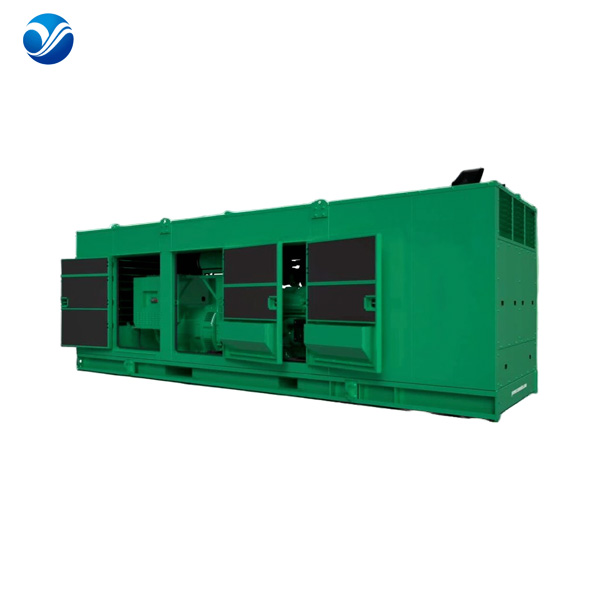
Soundproof Enclosures
One of the most important aspects of a silent type generator is its enclosed design. Manufacturers use high-quality soundproof materials such as acoustic panels, soundproof cotton, and anti-flaming cotton to enclose the generator. These materials absorb and dampen the noise produced by the engine and other moving parts, reducing the overall sound level. Typically, silent type generators operate at a noise level between 68-75 dB at a 5-7 meter distance, which is considerably quieter compared to conventional generators that can exceed 100 dB.
Engine Design and Technology
The engine plays a crucial role in determining the noise output of a generator. Silent type generators often feature low-noise engines that are designed with advanced technologies to minimize vibration and reduce operational noise. For instance, Cummins and Perkins utilize cutting-edge common rail systems in their engines that not only increase fuel efficiency but also help in reducing engine noise. These engines are engineered to run smoothly, reducing the vibration that can often contribute to noise.
Enhanced Cooling Systems
Silent generators are equipped with specialized cooling systems that not only keep the engine at an optimal temperature but also minimize noise. These cooling systems are designed to provide efficient airflow while maintaining a quiet operation. This is particularly important in environments that require generators to run for long periods without causing disturbances.
Vibration Isolation
The silent type generator features advanced vibration isolation systems that help reduce the noise generated by the movement of mechanical parts. This involves the use of vibration-damping materials and isolation mounts that absorb and dissipate vibrations before they can translate into sound. By minimizing these vibrations, silent generators operate at a much quieter level, even when the engine is under heavy load.
Soundproofing Materials
The use of soundproofing materials is critical in designing a silent type generator. These materials are selected for their ability to absorb and block sound waves, ensuring that the noise produced by the engine is kept to a minimum. High-quality soundproof cotton and anti-flaming materials are commonly used for this purpose.
Acoustic Panels and Canopies
Another important feature of silent type generators is the use of acoustic panels and canopies that surround the engine and other key components. These panels help reduce noise emissions and prevent sound from escaping into the surrounding environment. The canopies also serve as weatherproof barriers, protecting the generator from rain, dust, and other environmental factors.
Advanced Exhaust Systems
The exhaust system of a silent generator is designed to minimize noise while expelling gases. By using special mufflers and noise-dampening exhaust components, the generator can significantly reduce the sound produced during operation.
While standard generators can be noisy and disruptive, silent generators provide a range of benefits that make them the preferred choice for many industries.
Silent generators are designed with eco-friendly technologies that comply with global emissions standards. Manufacturers like Cummins and Perkins have incorporated electronic common rail systems that exceed emission regulations, making these generators cleaner and more efficient. As a result, silent generators are an ideal choice for businesses and organizations seeking to minimize their environmental footprint while still ensuring reliable power.
Silent generators are not only quieter but also highly versatile, making them suitable for a wide range of applications:
Hospitals and Healthcare
Hospitals require silent type generators to provide emergency backup power without disturbing patients. These generators ensure that life-saving equipment continues to function in the event of a power failure, all while maintaining a quiet and peaceful environment.
Data Centers
Data centers rely on uninterrupted power to keep servers and critical systems running. A silent type generator is perfect for this application, as it ensures minimal noise while delivering consistent and reliable power.
Construction Sites
Silent generators are increasingly used on construction sites, where noise pollution can be a significant issue. By using these generators, construction teams can work efficiently without disturbing nearby residents or businesses.
Commercial Buildings
Commercial properties such as office buildings and shopping malls also benefit from the quiet operation of silent type generators. These generators provide essential backup power without compromising the comfort of tenants or customers.
Telecommunications
The telecommunications industry relies heavily on silent generators to ensure constant power for cell towers and network hubs. The low noise level ensures that these generators do not interfere with communication systems, even in remote locations.
When it comes to silent type generators, several brands stand out for their quality, performance, and reliability. Below is a comparison of some of the top brands in the market:
| Brand | Power Range | Noise Level | Applications | Key Features |
|---|---|---|---|---|
| Cummins | 17kW - 1600kW | 68-75 dB | Hospitals, Data Centers, Telecom | Advanced noise reduction, durable |
| Perkins | 17kW - 1600kW | 70-75 dB | Commercial Buildings, Agriculture | Eco-friendly, compact design |
| Baudouin | 17kW - 1600kW | 70-80 dB | Construction, Oil Fields, Data Centers | High power, low vibration |
| SDEC | 17kW - 1600kW | 65-75 dB | Agriculture, Telecom, Hospitals | Lightweight, low emission |
As shown in the table, Cummins, Perkins, Baudouin, and SDEC offer silent type generators with varying power outputs and applications. Each brand brings its unique strengths to the table, making it easier for consumers to choose based on their specific needs.
A silent type generator achieves quiet operation through the use of soundproof enclosures, low-noise engines, advanced cooling systems, and vibration isolation technology. These features work together to reduce the noise emitted by the generator, making it ideal for noise-sensitive environments.
Silent type generators typically produce noise levels between 68 and 75 dB at a distance of 5-7 meters. This is much quieter than traditional generators, which can generate noise levels above 100 dB.
Yes, silent type generators are perfect for residential areas due to their low noise levels. They can provide reliable power without disturbing the peace and quiet of the neighborhood.
Yes, many silent type generators are designed with eco-friendly technologies, such as electronic common rail systems, which help reduce emissions and meet global environmental standards.
Silent type generators are used in a wide range of applications, including hospitals, data centers, telecommunications, commercial buildings, and construction sites. They provide reliable backup power while minimizing noise pollution.


