

Views: 0 Author: Site Editor Publish Time: 2025-12-29 Origin: Site


When power outages occur or when machinery requires a reliable backup power source, the terms “generator” and “generator set” are often used interchangeably. However, there are distinct differences between the two, both in terms of their construction and functionality. This article aims to delve deep into the concepts of generator sets, their components, and how they differ from basic generators. By understanding the differences, users can make an informed choice when it comes to selecting the right power backup solution for their needs.
A generator is a device that converts mechanical energy into electrical energy. It functions by rotating a coil of wire within a magnetic field, inducing an electrical current through electromagnetic induction. This process is fundamental to generating electricity for various uses.
Generators come in many shapes and sizes, depending on their intended use. They can be small and portable, designed for occasional use during power failures, or large and industrial, built to power entire factories or other large operations. The basic types of generators include:
Portable Generators: These are small, easy-to-move units often used in homes or small businesses for temporary power backup during outages.
Industrial Generators: Larger, more robust units used in factories, hospitals, and other industries requiring a constant and powerful electricity supply.
The key characteristic of a generator is that it provides the power needed to run specific equipment but often does not come with the additional systems or components required for seamless integration into a larger power distribution system.
A generator set, often referred to as a gen set, is a complete system designed to generate electricity, consisting of both the generator and its associated components. It includes the generator itself, along with an engine (typically powered by diesel or gas) and an enclosure for noise reduction and protection from the elements. Additionally, a generator set may come with a variety of other supporting elements, such as control panels, voltage regulators, and fuel tanks, all packaged together as a single unit.
While a generator may be a standalone device, a generator set is a fully integrated solution that is engineered to be ready for use in a variety of settings, including industrial environments, factories, and emergency power situations. This integrated nature allows generator sets to provide a reliable and efficient power source for critical applications.
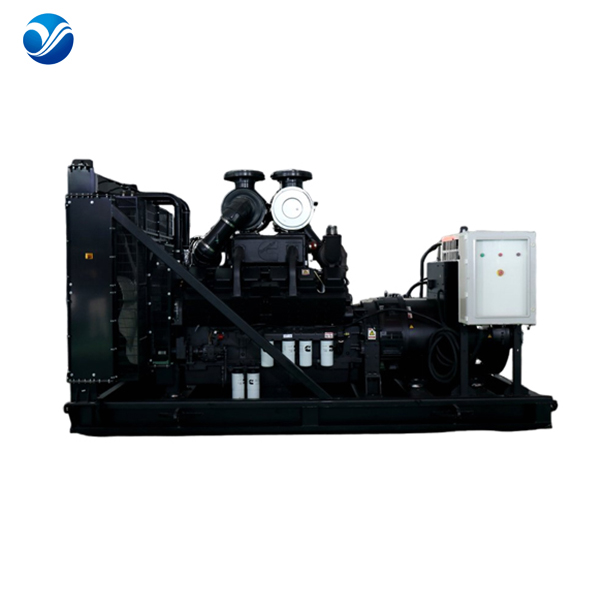
The primary difference between a generator and a generator set lies in the completeness of the system. Here are the specific distinctions:
Components:
A generator is a single component that generates electrical power.
A generator set includes not only the generator but also an engine, fuel system, control systems, and other components that make it a complete power generation solution.
Purpose:
A generator is typically used for simpler, less demanding tasks. It’s often portable and can power small machines or devices.
A generator set is designed to handle more demanding power requirements, particularly in industrial or commercial settings. It’s a more robust solution intended for continuous and reliable use.
Integration:
A generator might not come with any built-in systems for easy integration into a power network or distribution system.
A generator set, by contrast, is engineered to function as part of a broader power system, with components like control panels, transfer switches, and other integration tools for ease of use and connectivity to existing infrastructure.
Size and Application:
Generators are often smaller, portable, and used for less intensive applications, like camping, home use, or powering small tools.
Generator sets, due to their added components and larger capacity, are generally used in industrial or backup power situations where high-capacity and long-duration electricity supply are needed, such as for factory machines and other large-scale equipment.
Generator sets come in different types based on their fuel source, size, and specific application. Below are some of the most common types:
Diesel generator sets are among the most popular types due to their efficiency and reliability. Diesel engines provide higher torque and longer operational lifetimes compared to other fuel types, making them ideal for backup power in industrial settings. Diesel generator sets are often used to power factory machinery, hospitals, and large office buildings where an uninterrupted power supply is critical.
Advantages:
Long operational life
High fuel efficiency
Reliable performance in remote areas
Applications:
Factory machines
Emergency backup for hospitals and data centers
Large-scale industrial applications
Silent diesel generator sets are a modified version of standard diesel generators. These sets come with soundproof enclosures that help reduce noise levels significantly, making them ideal for use in areas where noise is a concern, such as in residential areas or urban settings.
Advantages:
Reduced noise levels
Same reliability and efficiency as regular diesel generators
Suitable for noise-sensitive environments
Applications:
Residential power backup
Events and construction sites
Urban infrastructure where noise reduction is important
The term power generator set refers to a broad category of generator sets designed for a variety of power needs. This type typically includes both diesel and gas-powered sets and may be used in both industrial and residential contexts. Power generator sets are designed for higher power output and can cater to large-scale operations.
Advantages:
Versatility in fuel types
Available in a range of sizes to suit various applications
Reliable power supply for both small and large systems
Applications:
Factory machines
Large residential estates
Emergency power for utilities
A generator set includes several crucial components that work together to produce and distribute power efficiently:
Engine:
The engine is the heart of the generator set, converting fuel into mechanical energy. Diesel engines are common due to their durability and fuel efficiency.
Alternator:
The alternator converts the mechanical energy produced by the engine into electrical energy, which is the power that can be used to run devices or equipment.
Fuel System:
The fuel system, including the fuel tank, pumps, and filters, is essential for supplying fuel to the engine. Diesel and natural gas are the most commonly used fuels.
Control Panel:
The control panel monitors and regulates the operation of the generator set. It provides real-time data on the engine, alternator, and other components, ensuring safe and efficient operation.
Exhaust System:
The exhaust system directs the gases produced by the engine safely out of the generator set. It typically includes a muffler to help reduce noise.
Cooling System:
The cooling system prevents the engine and other components from overheating by circulating coolant through the engine.
Starting System:
This includes the battery and starting motor that initiate the operation of the engine.
Enclosure:
The enclosure houses and protects the generator set from environmental factors such as rain, dust, and heat. It also serves as a noise reduction system, particularly in the case of silent generator sets.
Generator sets are used across a wide range of industries and applications, especially in scenarios requiring backup power. Some of the key applications include:
Factory Machines: Generator sets are essential for powering machines in factories, ensuring uninterrupted production even during power outages.
Hospitals: Generator sets are used in hospitals to provide backup power to critical equipment, ensuring that medical services are not disrupted.
Construction Sites: Generator sets supply power to construction equipment and temporary facilities on sites where grid power is not available.
Data Centers: Silent generator sets are commonly used in data centers to provide backup power in case of an outage, ensuring continuous operations without noise disruptions.
The main difference is that a generator set (gen set) includes the generator, engine, and other components like control panels and fuel systems, whereas a generator may be a standalone unit.
Silent diesel generator sets are ideal for noise-sensitive environments, as they are equipped with soundproof enclosures that minimize noise pollution while providing the same power reliability as regular diesel generators.
Yes, depending on the size and output capacity of the generator set, it can provide sufficient power to run factory machines and other equipment in industrial environments.
Choosing the right generator set depends on factors like the required power output, fuel type, noise levels, and specific applications. It’s important to assess your power needs and choose a generator set that meets those requirements.
Regular maintenance of a generator set includes checking the fuel system, engine, alternator, and cooling system. Routine checks help ensure that the generator set operates efficiently and reliably when needed.
While generators are essential for providing backup power, generator sets are more comprehensive, integrated systems designed to cater to more significant, continuous power needs. By understanding the differences and applications of both, businesses, industries, and homeowners can make more informed decisions about their power generation systems. Whether you're looking for a silent diesel generator set for your factory machines or a large power generator set for industrial use, there is a generator solution tailored to meet your specific requirements.


