

Views: 0 Author: Site Editor Publish Time: 2026-02-02 Origin: Site


The need for quiet, efficient power generation has never been more critical in today’s world. Whether you’re powering a residential home, a hospital, a construction site, or any other facility, finding a silent type generator that meets your specific needs is paramount. While traditional generators have been the go-to solution for decades, silent type generators offer a quieter, more environmentally-friendly alternative without sacrificing performance. This article will guide you through everything you need to know to choose your perfect silent type generator, from understanding the technology behind these devices to analyzing the different types available and their specific uses.
A silent type generator is a power-generating unit designed to operate with minimal noise. It uses advanced technologies, including soundproof enclosures, low-noise engines, and vibration isolation systems, to reduce noise emissions significantly. Unlike traditional generators, which can produce noise levels between 85-100 dB, silent type generators typically operate at much lower noise levels, ranging from 65-80 dB. These generators are ideal for environments where noise reduction is critical, such as residential areas, healthcare facilities, and data centers.
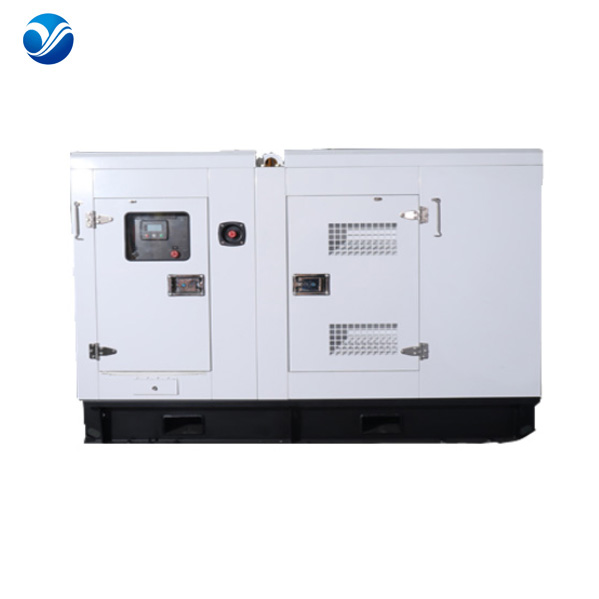
The noise generated by traditional generators can be a significant source of disturbance, particularly in urban or densely populated areas. The loud operational sounds of these generators can disrupt daily activities, interfere with sleep, and cause long-term hearing damage. For businesses and homeowners who require continuous power without the downside of excessive noise, a silent type generator offers an optimal solution.
To choose your perfect silent type generator, it is essential to understand the core features that contribute to their quiet operation:
Soundproof Enclosures
A key characteristic of silent type generators is their soundproof enclosures. These enclosures are constructed using advanced acoustic materials that absorb and dampen sound. The enclosure prevents noise from escaping into the surrounding environment, ensuring that the generator operates quietly.
Low-Noise Engine Technology
Many silent type generators are equipped with specially designed low-noise engines. These engines reduce the noise produced during the combustion process and the movement of internal components, which are often the primary contributors to the loud sounds generated by traditional generators.
Vibration Isolation
Vibration isolation systems are incorporated into silent type generators to prevent vibrations from spreading through the generator’s structure. These systems use vibration-damping materials and isolation mounts to reduce the noise caused by engine movement.
Advanced Exhaust Systems
Silent type generators feature advanced exhaust systems that reduce the noise created when gases are expelled from the engine. These systems typically use mufflers and sound-dampening pipes to minimize exhaust noise.
Efficient Cooling Systems
The cooling systems in silent type generators are optimized not only for efficient heat dissipation but also for reduced operational noise. These systems ensure that the engine maintains a safe operating temperature without generating excessive noise.
When choosing your perfect silent type generator, several factors must be considered to ensure that the generator meets your specific needs. Below are the critical elements to keep in mind:
One of the first steps in selecting a silent type generator is determining the amount of power you need. Power requirements vary based on the size and type of equipment you plan to power. For example, a small home may only need a generator with a power output of 5-10 kW, while a large commercial building or industrial operation may require a generator with a power output of 100 kW or more.
| Generator Brand | Power Range (kW) | Power Range (kVA) | Typical Applications |
|---|---|---|---|
| Cummins | 17kW - 1600kW | 20kW - 2000kVA | Hospitals, Data Centers, Telecom |
| Perkins | 17kW - 1600kW | 20kW - 2000kVA | Residential, Agriculture, Commercial |
| Baudouin | 17kW - 1600kW | 20kW - 2000kVA | Construction, Oil Fields, Data Centers |
| SDEC | 17kW - 1600kW | 20kW - 2000kVA | Agriculture, Telecom, Hospitals |
Since you are looking for a silent type generator, the noise level is of primary concern. Silent type generators are specifically designed to operate at much lower decibel levels compared to traditional generators. It’s essential to select a generator that meets your noise level requirements. As mentioned earlier, silent type generators typically range between 65 dB and 75 dB, which is much quieter than conventional models.
To compare:
| Generator Type | Noise Level (dB) | Power Range | Typical Use |
|---|---|---|---|
| Standard Generator | 85 - 100 dB | 10kW - 2000kW | Construction, Industrial, Agriculture |
| Silent Type Generator | 65 - 80dB | 17kW - 1600kW | Residential, Healthcare, Data Centers |
Another crucial factor to consider when choosing a silent type generator is its fuel efficiency. The efficiency of a generator determines how much fuel it consumes relative to the amount of power it generates. A more fuel-efficient generator reduces long-term operating costs. Many modern silent type generators incorporate advanced fuel injection systems, such as Cummins’ common rail technology, which ensures better fuel combustion and reduced fuel consumption.
Like any mechanical equipment, silent type generators require regular maintenance to ensure their continued operation. When selecting a generator, it’s essential to consider the maintenance requirements. Some generators require more frequent servicing due to the complexity of their components, while others have low-maintenance designs that reduce the frequency of repairs and inspections.
In addition to noise reduction, silent type generators are often more environmentally friendly than their standard counterparts. Many silent generators are designed to meet or exceed emission standards, ensuring that they have a minimal environmental impact. For instance, Cummins and Perkins generators incorporate electronic common rail systems that reduce emissions, making them ideal for businesses and homeowners seeking greener alternatives.
A good silent type generator should be durable and capable of withstanding harsh conditions. Whether you plan to use your generator indoors or outdoors, the generator’s build quality should be strong enough to endure the elements. Look for silent type generators with durable enclosures that provide protection from dust, rain, and extreme temperatures.
The size and portability of your silent type generator will depend on where you plan to use it. If you need a generator for residential backup power, a compact and portable model may be sufficient. However, if you need to power large commercial or industrial equipment, you’ll need a larger, more powerful generator.
For residential use, silent type generators provide an ideal solution for power outages, offering a quiet and reliable power source without disturbing the peace of your neighborhood. These generators are typically smaller in size and power output, ranging from 5kW to 20kW, and are designed to operate efficiently with low noise levels.
In commercial settings, such as offices, hotels, and retail establishments, the need for silent type generators is even greater. Businesses cannot afford to disrupt operations with noisy power sources. A silent type generator ensures a smooth, uninterrupted power supply without disturbing employees or customers.
In healthcare and data centers, reliable power is essential. Silent type generators provide backup power during outages, ensuring that critical systems remain operational. With their low noise levels and high power output, these generators are perfect for environments where noise reduction and reliability are both necessary.
The key difference is the noise level. Silent type generators are designed to operate at much lower decibel levels (65-75 dB), while standard generators can produce noise levels of 85 dB or higher. Silent generators also feature advanced soundproof enclosures, low-noise engines, and vibration isolation systems to reduce operational noise.
To choose the right size, you need to assess the power requirements of the devices or equipment you intend to power. For residential use, a smaller generator (5-20kW) may be sufficient. For commercial or industrial use, larger generators (50-100kW) may be necessary.
Yes, many silent type generators are designed to be fuel-efficient. With technologies like common rail fuel injection systems, these generators offer better fuel efficiency than traditional models, reducing operating costs.
Maintenance schedules vary depending on the brand and model. However, it is generally recommended to perform routine inspections and servicing every 200-500 hours of use, including oil changes, air filter replacements, and fuel system checks.
Yes, many silent type generators are designed to meet strict emission standards, making them suitable for use in environmentally sensitive areas. They offer reduced emissions, which is beneficial for both regulatory compliance and environmental sustainability.


