


In today’s world, reliable power generation is crucial for many applications, ranging from industrial operations to emergency backups for businesses and homes. One of the most important and versatile tools in this realm is the generator set. But what exactly is a generator set, and how does it work? In this article, we will explore the definition, types, key components, applications, and factors to consider when choosing a generator set. We will also address some of the frequently asked questions about generator sets.
A generator set, often referred to as a genset, is a collection of equipment designed to generate electricity. It typically consists of an engine (usually powered by diesel or gas) and an electrical generator, which work together to convert mechanical energy into electrical energy. The generator set is capable of providing power to various applications, especially in situations where grid power is unavailable or unreliable.
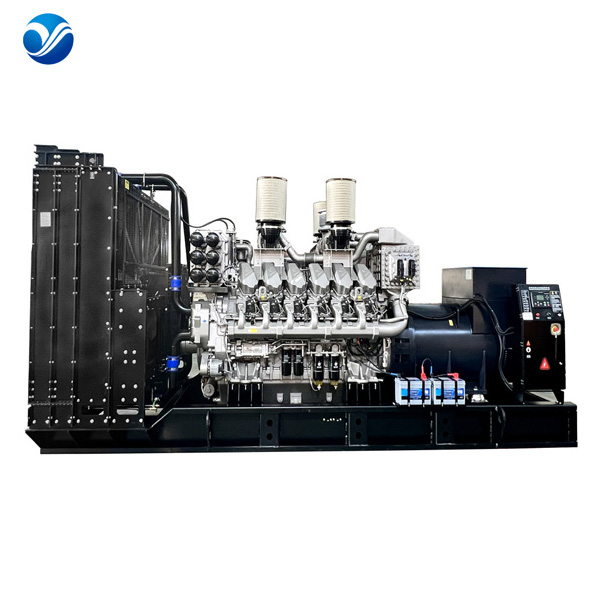
The core operation of a generator set involves the engine driving the generator to produce electricity. Here’s a basic breakdown of how it works:
Engine Power: The engine burns fuel (usually diesel in the case of diesel generator sets) to produce mechanical energy.
Mechanical Energy to Electrical Energy: The mechanical energy is transferred to the generator, which uses it to rotate a magnetic field inside a coil of wire. This rotation generates electricity through electromagnetic induction.
Power Output: The electrical output from the generator is then transferred through a circuit to power devices, machines, or buildings that need electricity.
There are several different types of generator sets, each with unique features and applications. Some of the most common types include:
A silent diesel generator set is designed for minimal noise output. These units are equipped with soundproof enclosures to reduce the noise levels produced during operation. This type of generator is ideal for environments where noise control is crucial, such as residential areas, hospitals, or office buildings. The key advantage of silent generator sets is that they combine the robust power generation capability of diesel engines with noise-reduction technology.
The diesel generator set is the most commonly used type of generator set. It uses diesel fuel to generate electricity and is known for its fuel efficiency, reliability, and long service life. Diesel generator sets are commonly used in industries, construction sites, hospitals, and remote locations where reliable, continuous power is necessary. These generator sets are ideal for both standby and prime power applications.
A power generator set is a term used to describe any generator that provides power for industrial, commercial, or residential applications. It may be powered by different fuels, such as gasoline, diesel, or natural gas. These generator sets are used in situations where there is a need for backup or off-grid power.
A generator set consists of several key parts, each playing an important role in the system’s operation. Some of the essential generator set parts include:
Engine: The engine is the primary source of mechanical power. Diesel engines are the most commonly used in generator sets due to their efficiency and reliability.
Alternator: The alternator converts the mechanical energy produced by the engine into electrical energy.
Control Panel: The control panel allows operators to monitor and control the generator’s performance, including adjusting output voltage, frequency, and fuel consumption.
Fuel System: The fuel system stores and delivers fuel to the engine, ensuring smooth operation.
Cooling System: The cooling system regulates the temperature of the engine and alternator, preventing overheating.
Exhaust System: The exhaust system channels exhaust gases away from the engine, ensuring safe operation.
Battery: The battery is responsible for starting the engine and ensuring that the generator set remains operational.
Lubrication System: The lubrication system ensures that the engine’s moving parts are adequately lubricated to minimize wear and tear.
Generator sets are used in a wide variety of applications across different sectors. Some common areas of use include:
Factory machines often require generator sets to provide continuous power for their operations. Diesel generator sets are commonly used in manufacturing plants, assembly lines, and heavy-duty machinery. These units ensure that factory operations continue even during power outages, helping to avoid production downtime.
On construction sites, generator sets are essential for providing power to tools and machinery when a reliable grid connection is unavailable. Diesel generator sets are typically the go-to choice for construction applications due to their portability and ability to deliver high power output.
One of the most important applications of generator sets is as an emergency power supply. In critical environments such as hospitals, data centers, and telecommunication facilities, a generator set can provide backup power during power outages, ensuring that life-saving equipment and essential services remain operational.
For residential use, generator sets offer backup power during emergencies or power disruptions. Homeowners can use silent generator sets to ensure that their homes remain powered without disturbing their neighbors.
In remote locations where there is no access to the power grid, generator sets provide a reliable solution for power generation. These units can be used in remote research stations, remote mining sites, or even for off-grid homes and cabins.
When selecting a generator set, several factors need to be considered to ensure that you choose the right one for your needs. Some key factors include:
The power output of a generator set is a crucial consideration. Make sure to choose a generator that can provide enough power for the devices or systems you intend to run. The power output is typically measured in kilowatts (kW) or kilovolt-amperes (kVA). It’s essential to calculate the total load requirement before selecting a generator set.
The fuel type of a generator set plays an important role in its efficiency and operating costs. Diesel generator sets are generally more fuel-efficient and offer longer operational hours compared to other fuel types, making them ideal for heavy-duty applications.
Noise levels are an important consideration, especially in urban areas or residential locations. If noise is a concern, a silent diesel generator set or silent generator set with a soundproof enclosure can be a suitable option.
For mobile applications, the portability of the generator set is important. Some generator sets are designed for stationary use, while others are built to be portable, which can be useful for outdoor activities, construction sites, or remote areas.
Before purchasing a generator set, consider the available space for installation. Generator sets come in different sizes, so it’s essential to choose one that fits within your available space without compromising performance.
A generator set is an investment, and its longevity and reliability depend on regular maintenance. Choose a unit that is durable and has readily available replacement parts. Many generator sets come with warranties and support for maintenance and repairs.
A diesel generator set uses a diesel engine to generate electricity, while a silent generator set is equipped with soundproof enclosures to minimize noise during operation. Both types are used for different applications depending on noise sensitivity.
The frequency of servicing depends on the manufacturer’s recommendations and how often the generator set is used. For instance, generator sets used in industrial applications may require more frequent servicing compared to those used for backup power in homes.
Diesel generator sets are known for their fuel efficiency, reliability, and long lifespan. They are ideal for industrial applications and remote locations where a stable power supply is needed.
Yes, generator sets are commonly used in factories to provide continuous power for factory machines, especially in case of power outages or in remote areas where grid power is not available.
When purchasing a generator set, consider factors such as power output, fuel type, noise levels, portability, size, and maintenance requirements.
In conclusion, a generator set is a crucial piece of equipment for various applications, including industrial operations, emergency power supply, and remote locations. Whether it is a silent diesel generator set for noise-sensitive areas or a high-powered diesel generator set for industrial use, understanding the key features and selecting the right one is essential for reliable power generation. When choosing a generator set, make sure to consider factors such as power output, fuel type, noise levels, and maintenance requirements to ensure optimal performance.
By understanding the inner workings, applications, and important factors to consider, businesses and individuals can make informed decisions when purchasing a generator set, ensuring they have a reliable and efficient power solution for their needs.


