

Views: 0 Author: Site Editor Publish Time: 2026-10-29 Origin: Site


Unplanned power outages do more than just halt production. They drain revenue. They severely compromise facility safety. Finding a durable backup or primary energy source on a strict budget is a daily challenge for procurement managers. The market is saturated with lightweight options. How do you identify equipment that truly delivers long-term dependability?
Enter the realm of rugged European engineering. By integrating a baudouin power system into your infrastructure, you invest in a legacy of mechanical resilience. This guide explores the engineering principles, historical background, and practical field benefits that make these units an unfailing choice for heavy industrial applications.
Marine-Grade Heritage: Over a century of designing propulsion systems for harsh oceanic environments translates directly into ultra-durable land-based generators.
Heavy-Duty Performance: Constructed with high-strength forged materials designed to withstand extreme loads, severe vibrations, and continuous non-stop operation.
Versatile Applications: Unwavering reliability whether deployed for emergency standby scenarios or continuous prime power in remote off-grid locations.
Cost-Effective Maintenance: Extended service intervals and optimized fuel mapping lead to a highly competitive Total Cost of Ownership.
Actionable Configurations: Available in various architectural setups tailored to suit specific spatial, thermal, and acoustic industrial needs.
To truly grasp the steadfast nature of modern industrial equipment, one must look at its historical foundation. Founded in France in 1918, the manufacturer originally focused entirely on marine propulsion and auxiliary vessel power. The ocean remains the most unforgiving environment for any mechanical machinery. Equipment situated in cramped ship engine rooms faces constant exposure to highly corrosive saltwater, suffocating humidity levels, and extreme temperature fluctuations. Furthermore, marine engines must operate under heavy, continuous loads for weeks at a time.
At sea, a mechanical failure is never just a logistical inconvenience. It is a critical safety hazard. A dead engine puts lives at risk. This high-stakes reality forced marine engineers to adopt a strict zero-tolerance policy for component breakdown. Over a century of refining these complex systems established a rigid manufacturing protocol. The primary focus remains on over-engineering critical internal parts. This ensures the machinery easily endures conditions far more severe than typical land-based industrial applications.
When this maritime expertise transitioned to land-based power generation, foundational design principles remained intact. The core architecture of a marine-grade baudouin engine is directly ported into modern terrestrial designs.
This direct translation of oceanic toughness means land-based units feature exceptionally thick engine blocks, reinforced cylinder heads, and high-capacity cooling loops. These cooling systems were originally designed to dissipate massive heat loads deep within a ship hull. Consequently, when deployed in factory plant rooms or commercial basements, these units operate with a massive margin of safety. They exhibit a remarkably high tolerance for scorching ambient temperatures and sudden heavy load steps.
Walk into any plant room powered by these units. The first thing a seasoned engineer notices is the sheer physical mass of the equipment. Physical build quality dictates lifespan and resistance to daily wear. High-grade cast iron is utilized extensively for the cylinder blocks and heads. This specific material choice provides exceptional thermal stability and structural rigidity. It actively prevents the metal from warping under extreme operating temperatures.
Building upon this robust foundation, the crankshafts are manufactured from forged steel rather than standard cast materials. Forged steel offers superior tensile strength and fatigue resistance. This dense construction significantly dampens internal harmonic vibrations. Vibration is the primary culprit behind micro-fractures and premature component wear. By minimizing these harmonics, the structural integrity remains intact even after thousands of hours of grueling operation.
Reliable energy delivery relies heavily on meticulous fuel management. Depending on the exact model—ranging from the compact 4M06 series to the massive 16M33 engine blocks—these systems employ highly refined mechanical fuel injection or advanced electronic common-rail setups.
These injection mechanisms are precisely calibrated. They deliver exact fuel quantities at optimal pressures directly into the combustion chamber. Such precision ensures consistent kinetic output. It prevents the machinery from stalling or experiencing severe voltage dips during sudden electrical load changes. Optimized atomization of the diesel maximizes combustion efficiency. This translates directly to improved fuel economy and slashed daily operational costs.
Heat and friction are the primary enemies of any internal combustion system. To combat inevitable degradation, the units are equipped with oversized radiators and high-flow water pumps. This ensures the equipment remains at optimal operating temperatures even when installed in punishing high-ambient environments like desert mining camps.
Simultaneously, high-capacity oil pumps guarantee that a thick, consistent film of lubrication reaches all moving internal parts immediately upon startup. Rapid circulation prevents dry metal-on-metal contact. It drastically reduces friction wear on bearings, pistons, and camshafts.
| Component Category | Standard Industry Design | Premium Engineering Approach | Impact on Reliability |
|---|---|---|---|
| Engine Block | Standard cast aluminum or iron | High-grade thick-walled cast iron | High thermal mass resists warping and reduces vibration. |
| Crankshaft | Cast steel | Forged steel | Superior fatigue resistance under heavy electrical load steps. |
| Cooling System | Standard capacity radiator | Oversized marine-derived cooling loops | Prevents overheating during continuous prime operation. |
| Lubrication | Standard flow oil pump | High-capacity rapid-circulation pump | Minimizes startup wear and extends overall component life. |
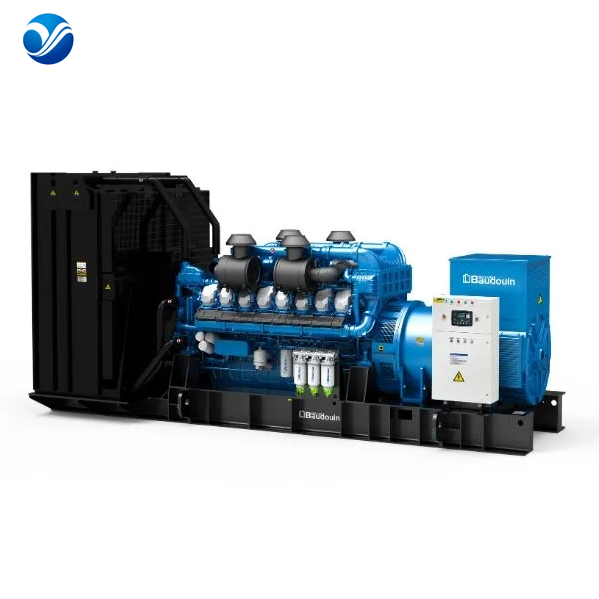
In the heavy equipment sector, prime power refers to a machine ability to supply electricity for an unlimited number of hours per year under variable load conditions. These robust systems—often spanning from 18kVA up to 3000kVA output ranges—are extensively utilized in remote off-grid locations. You will find them powering sprawling mining sites and large-scale construction zones where the municipal grid is non-existent.
Because of their heavy-duty marine DNA, these specific diesel genset configurations are purpose-built to run non-stop. Their oversized cooling and rapid lubrication systems handle continuous operation without experiencing rapid thermal degradation. When maintained by technicians following standard protocols, they serve as permanent primary power plants for heavy industry.
Conversely, standby power is the critical safety net required when the main utility grid collapses. In high-stress emergency scenarios, the most vital metric is startup time and immediate load acceptance. Facilities such as hyperscale data centers and urban hospitals simply cannot afford more than a few seconds of operational downtime.
When a grid failure is detected by the automatic transfer switch, the system cranks, ignites, and accepts the full electrical load in under ten seconds. Advanced fuel injection mapping and high-torque starter motors ensure the machinery does not falter when suddenly hit with massive inrush currents from commercial chillers or heavy medical imaging equipment.
The global power generation sector is currently experiencing a massive paradigm shift. Regulatory bodies worldwide are aggressively pushing for stricter air quality controls. Meanwhile, industrial operators demand higher power density without expanding their carbon footprint. Market analysis indicates a rapidly growing preference for heavy-duty systems that can seamlessly integrate with hybrid renewable setups. Modern generators are increasingly paired with solar microgrids and battery energy storage systems. In this evolving landscape, adapting to stringent environmental mandates while maintaining uncompromised mechanical reliability is the new baseline for facility compliance.
Modern industrial operations face intense scrutiny regarding their localized environmental impact. Through relentless research and development, premium engine manufacturers ensure their equipment meets or exceeds strict global regulations. This includes the rigorous EU Stage V and EPA Tier standards.
By implementing advanced combustion chamber geometry and highly precise electronic fuel mapping, the production of harmful nitrogen oxides and particulate matter is drastically minimized. This allows enterprise businesses to maintain full compliance with local environmental laws without sacrificing mechanical output.
Environmental responsibility perfectly aligns with economic efficiency. The exact same advanced combustion technologies that reduce harmful tailpipe emissions also ensure every single drop of diesel is utilized to its maximum potential.
Highly efficient combustion extracts maximum kinetic energy from the fuel. This significantly lowers the overall brake specific fuel consumption. Over a typical 15,000-hour lifecycle, this optimized efficiency reduces the facility carbon footprint while saving the end-user tens of thousands of dollars in bulk diesel procurement costs.
When investing in heavy industrial equipment, selecting the right physical architecture is critical. Buyers typically face a choice between soundproof acoustic canopy units and exposed skid frames. While enclosed models are a necessity for noise-sensitive residential areas, mounting a heavy-duty engine on an open skid frame offers distinct mechanical and financial advantages for dedicated industrial setups.
The fundamental advantage of an exposed configuration lies in unrestricted physical accessibility and superior thermal dynamics. High-capacity machinery generates substantial radiant heat. In a framework without walls, ambient air circulates freely around the engine block, alternator, and exhaust manifold. This natural convection reduces the thermal load on the radiator and cooling fan.
From a hands-on maintenance perspective, this architecture is highly favored by service technicians. Routine tasks become effortless. Mechanics can immediately check oil dipsticks, replace heavy fluid filters, inspect fuel injection lines, and conduct valve clearance checks. There is no need to unbolt heavy acoustic panels. This unimpeded access slashes labor hours during scheduled downtime.
Omitting the weatherproof acoustic enclosure substantially reduces initial capital expenditure. The heavy-gauge steel and fire-retardant foams used in canopy models add significant manufacturing and shipping weight. By opting for a bare frame, facility managers can allocate their budget directly toward a higher power output model or an advanced DeepSea digital control system.
Exposed framework units are engineered specifically for sheltered climate-controlled environments. They are the undeniable standard choice for dedicated indoor plant rooms and industrial basements. The facility building itself provides protection against rain and snow while incorporating structural acoustic treatments to manage noise.
For indoor applications, the architectural design must include mechanical ventilation systems like large intake louvers and exhaust fans. If you need a highly accessible power solution for an indoor facility, exploring a high-quality open type generator is a strategic investment. Plant engineers can visually inspect the entire power train at a glance. Potential fluid leaks or belt wear are identified long before they escalate into critical failures.
| Feature Metric | Open Type Configuration | Soundproof Canopy Configuration |
|---|---|---|
| Initial Purchase Cost | Significantly Lower | Higher due to steel canopy and acoustic foam |
| Cooling Efficiency | Maximum unrestricted ambient airflow | Moderate reliance on forced air fans |
| Maintenance Access | Excellent with all components fully exposed | Limited requiring panel removal |
| Noise Levels | High requiring a dedicated acoustic plant room | Low suitable for outdoor public areas |
| Ideal Location | Indoor basements and dedicated power rooms | Rooftops and outdoor construction sites |
Experienced procurement managers understand that the initial sticker price represents only a fraction of total financial impact. The Total Cost of Ownership encompasses fuel consumption, routine preventative maintenance, replacement parts, and the devastating financial losses associated with unexpected downtime. Premium European engineering minimizes these operational expenditures over the equipment lifecycle.
Oceanic engineering DNA translates directly into enhanced durability and longer intervals between required services. Standard budget-tier industrial generators often require oil changes and valve adjustments every 250 operating hours. In stark contrast, premium systems utilize high-capacity oil sumps and advanced multi-stage filtration mechanics to extend these intervals. Depending on the operational load and air quality, service intervals frequently reach 500 hours or more.
This extension yields a massive compounding financial benefit. Fewer service interventions mean lower expenses on lubricating oil, coolant, and specialized filters. Most importantly, it minimizes planned operational downtime. The power system remains available to protect the facility for much longer continuous periods.
A common hesitation when investing in high-end equipment is the perceived difficulty of sourcing replacement parts. However, the global manufacturing and distribution footprint has expanded aggressively. Decentralized networks of authorized dealers and certified service centers operate across Europe, Asia, Africa, and the Americas.
This robust supply chain ensures critical consumables are stocked locally. Precision fuel injectors, heavy-duty alternators, drive belts, and top-end gasket kits are readily available. Facility managers avoid agonizing weeks of international shipping delays. Standardization of components across various engine series simplifies inventory management for local service providers. Emergency repairs are executed swiftly.
Securing a steadfast energy source requires looking beyond the initial price tag. You must examine the underlying engineering. A power system born from a century of punishing marine environments delivers proven unyielding reliability. Its rugged architecture ensures consistent stable performance across the most demanding industrial environments imaginable.
Facilities benefit immensely from exceptional fuel efficiency and extended maintenance intervals. These factors actively drive down the long-term cost of ownership. Furthermore, the robust cast-iron block and advanced fuel mapping easily handle the massive electrical loads required by modern heavy industry.
Choosing a premium power solution actively protects your critical daily operations. It prevents catastrophic data loss and ensures personnel safety. Assess your specific facility requirements carefully. Whether you need a robust prime power source for a remote mining site or a rapid-response standby unit for a commercial building, align your choice with proven engineering. Explore the full range of reliable solutions at cyecgenerator.com to find the exact configuration that safeguards your business future.
When subjected to standard industrial use and maintained strictly according to manufacturer specifications, these systems exhibit exceptional longevity. Thanks to heavy-duty marine-grade construction featuring thicker cylinder walls and reinforced forged crankshafts, they easily exceed 15,000 to 20,000 operating hours before requiring a major engine overhaul. Consistent fluid changes, timely filter replacements, and regular load-bank testing maximize this impressive lifespan.
Yes. They are widely recognized within the global power generation industry as formidable competitors to other legacy brands. Seasoned plant engineers frequently favor this specific European engineering for its exceptional durability in harsh environments like deserts and offshore rigs. They consistently provide a highly competitive price-to-performance ratio. This makes them a financially sound alternative without sacrificing an ounce of mechanical reliability.
Absolutely. When properly sized by an engineer and configured for a prime power rating, the engine is explicitly built to run continuously for days or even weeks without shutting down. The system operates flawlessly non-stop provided facility technicians adhere to standard maintenance checks, monitor lubricating oil levels, and maintain a clean supply of diesel fuel.
Not at all. The global supply chain footprint has expanded significantly. A comprehensive interconnected network of authorized distributors and regional parts depots exists worldwide. This infrastructure ensures routine maintenance items and critical replacement components are readily available in local markets. It drastically minimizes facility downtime and avoids expensive international air-freight costs.
An open frame configuration is generally much more cost-effective upfront because it eliminates the expense of a heavy steel acoustic enclosure. Operationally, it provides vastly superior engine cooling due to entirely unrestricted ambient airflow around the block and alternator. Additionally, it makes routine maintenance, visual fluid inspections, and mechanical servicing significantly easier and faster for technicians. There are no heavy metal doors obstructing access to core engine components.
Marine environments demand zero-tolerance for failure due to safety risks at sea. This philosophy translates into land-based generators through the use of oversized cooling systems, thicker cast-iron blocks, and reinforced internal components. These over-engineered parts easily absorb sudden electrical load spikes and resist thermal degradation much better than standard commercial-grade engines.
Preventing downtime relies on strict adherence to a preventative maintenance schedule. Key practices include conducting weekly visual inspections for fluid leaks, testing the starting batteries monthly, replacing fuel and air filters every 500 hours, and performing annual load-bank testing. Load-bank testing is particularly crucial as it burns off unburned fuel deposits and verifies the alternator can handle its full rated capacity during a real emergency.


