

Views: 0 Author: Site Editor Publish Time: 2026-01-30 Origin: Site


Generators have become an indispensable part of modern life, supplying power to homes, businesses, industries, and emergency backup situations. While their primary function is to provide a steady source of electricity, the noise they generate has long been a major concern. Standard generators, particularly diesel models, are often loud and can disrupt the environment, especially in urban areas or residential zones. This has led to the development of silent type generators, which promise to significantly reduce noise pollution without compromising performance. But what exactly sets these silent generators apart from their standard counterparts? In this article, we will explore a silent type generator's features, noise levels, and advantages in comparison with traditional generators, as well as the technologies that contribute to their quiet operation.
Before delving into the comparison, it’s essential to understand the noise problem in standard generators. A standard generator typically operates at noise levels between 85 and 100 decibels (dB). While this may seem reasonable for certain industrial or outdoor environments, the high noise output is disruptive, especially in urban settings, hospitals, schools, or any residential area.
The primary sources of noise in standard generators are:
Engine Operation
The engine in a standard generator is typically a large, mechanical component that operates at high speeds. The friction of moving parts and combustion processes inside the engine contribute significantly to noise generation.
Exhaust Systems
The exhaust system, including mufflers, helps direct exhaust gases out of the engine. However, standard exhaust systems are less effective in reducing sound, contributing to the overall noise output.
Vibration
Vibration is another major source of noise. The engine’s moving parts cause the generator's frame to vibrate, and this vibration is transferred to the ground, generating sound.
Lack of Soundproofing
Most standard generators lack adequate insulation, which would absorb sound waves. Without effective soundproofing, the noise generated by the engine and exhaust escapes into the environment.
High noise levels from standard generators can cause several problems:
Noise Pollution: In residential areas or sensitive environments, the loud noise can disturb the peace, potentially violating local noise ordinances.
Health Risks: Prolonged exposure to high noise levels can lead to hearing damage, stress, and sleep disturbances, particularly in urban environments.
Disruption to Business Operations: In commercial and industrial settings, noisy generators can disrupt operations, especially when used in hospitals, data centers, or research facilities where a quiet environment is crucial.
Construction Sites: Standard generators are commonly used at construction sites, where their loud noise is less of an issue due to the general outdoor environment.
Agricultural Operations: Rural areas often use standard generators for powering farm equipment, where noise isn’t as big of a concern.
Industrial and Mining Operations: Heavy-duty industrial operations rely on standard generators for their high power output, as noise is less of a concern in remote or enclosed facilities.
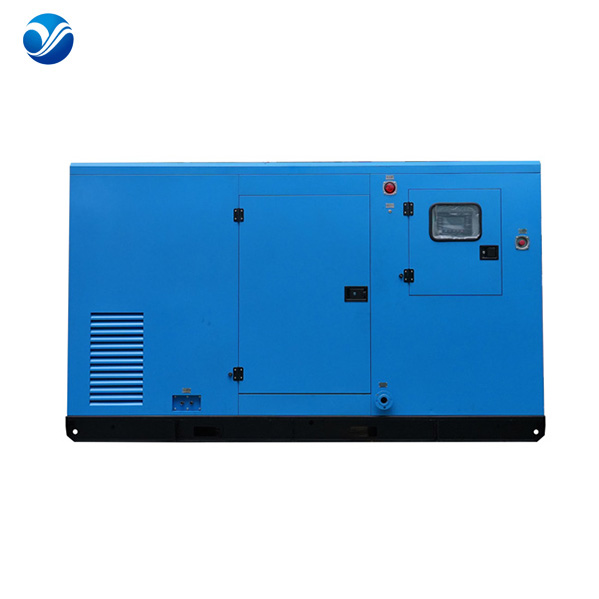
A silent type generator is designed specifically to minimize noise while maintaining the same level of power output. The key to its quiet operation lies in advanced engineering, acoustic materials, and noise-reducing technologies. These generators are perfect for applications where noise reduction is a priority, such as residential areas, hospitals, and public events.
Soundproof Enclosures
One of the most significant advancements in silent generators is the use of soundproof enclosures. These enclosures are built with high-quality acoustic panels and sound-damping materials, which absorb the sound produced by the engine and exhaust systems. Typically, silent type generators produce noise levels ranging from 65 dB to 75 dB at a distance of 5-7 meters, a significant reduction compared to traditional models.
Improved Exhaust Systems
Unlike standard generators, silent type generators are equipped with advanced exhaust systems designed to dampen noise. These systems include specialized mufflers and exhaust pipes that reduce the noise produced when gases exit the engine.
Vibration Isolation
Silent generators use advanced vibration isolation techniques to prevent vibrations from traveling through the frame and into the surrounding environment. This is achieved through the use of vibration-damping materials and isolation mounts.
Low-Noise Engines
Silent type generators often feature low-noise engines that have been specifically designed for quieter operation. These engines incorporate technologies like common rail systems, which improve efficiency and reduce vibration.
Insulated Canopies
The canopies that house the generator’s components are carefully insulated to prevent sound leakage. These enclosures also offer additional protection from environmental factors like rain, dust, and temperature fluctuations.
Acoustic Panels: High-quality soundproof cotton and anti-flaming materials are used inside the canopies to absorb sound waves and prevent them from escaping.
Mufflers and Exhaust Systems: Special mufflers are designed to quiet the exhaust gases as they exit the engine.
Vibration Isolation: Silent generators are equipped with advanced vibration dampening systems that isolate the engine and components from the generator frame.
Advanced Cooling Systems: Silent generators incorporate cooling systems that not only regulate the temperature of the engine but also reduce operational noise.
To understand the real difference between silent and standard generators, we can compare their noise levels in various scenarios.
| Generator Type | Noise Level (dB) | Typical Applications | Key Features |
|---|---|---|---|
| Standard Generator | 85-100 dB | Construction, Industrial, Agricultural | High noise output, minimal soundproofing |
| Silent Type Generator | 65-75 dB | Residential, Hospitals, Offices, Events | Soundproof enclosure, low-noise engine, mufflers |
As shown in the table, silent type generators are significantly quieter than their standard counterparts. This makes them the preferred choice for environments where noise can cause disruptions, such as residential neighborhoods or healthcare facilities.
The primary advantage of silent type generators is their ability to provide power without generating excessive noise. This offers several benefits:
Compliance with Noise Regulations
In many urban areas, noise regulations are strict, and traditional generators often exceed the legal noise limits. Silent type generators help businesses and homeowners comply with local noise ordinances, ensuring they don’t disturb the peace.
Improved Health and Comfort
Excessive noise can lead to hearing damage, sleep disturbances, and increased stress. By using silent type generators, individuals and businesses can create a more comfortable environment, free from the detrimental effects of constant noise pollution.
Versatility in Applications
Due to their low noise output, silent type generators can be used in a wide range of environments, including hospitals, data centers, residential buildings, and offices. They are perfect for emergency backup power, where minimizing noise is just as important as maintaining a reliable power supply.
Sustainability
Many silent generators are designed to be more energy-efficient and environmentally friendly. They meet or exceed emission standards, ensuring that they have a minimal environmental impact while providing reliable power.
Improved User Experience
The quiet operation of silent type generators contributes to a better overall experience for users. Whether used in a commercial setting or as backup power at home, these generators allow individuals and businesses to continue their activities without the nuisance of loud machinery.
A silent type generator uses soundproof enclosures, advanced exhaust systems, vibration isolation technology, and low-noise engines to minimize the noise generated during operation. These features allow them to operate at much lower decibel levels than standard generators.
Silent type generators typically produce noise levels between 65 dB and 75 dB at a distance of 5-7 meters. This is much quieter than standard generators, which can generate noise levels of 85-100 dB.
Yes, silent type generators are perfect for residential areas due to their low noise levels. They provide reliable power without disturbing the peace and quiet of the neighborhood.
While silent type generators may have a higher upfront cost due to the advanced technology and materials used, they are an investment that offers long-term benefits in terms of noise reduction, energy efficiency, and environmental sustainability.
Silent type generators are used in a variety of settings, including residential areas, hospitals, data centers, offices, and outdoor events. They are ideal for environments where minimizing noise is a priority.


