

Views: 0 Author: Site Editor Publish Time: 2026-01-02 Origin: Site


In today's world, where power reliability is crucial, diesel generator sets (DG sets) have become an essential part of backup power solutions. From providing electricity during a power outage to serving as the primary power source for large operations, these machines are versatile and dependable. One of the most significant areas of application for diesel generator sets is in emergency power situations, ensuring that operations continue without interruption. In this article, we will explore how a diesel generator set works for emergency power, focusing on its components, mechanisms, and the role it plays in ensuring business continuity, particularly in industries such as coal mining.
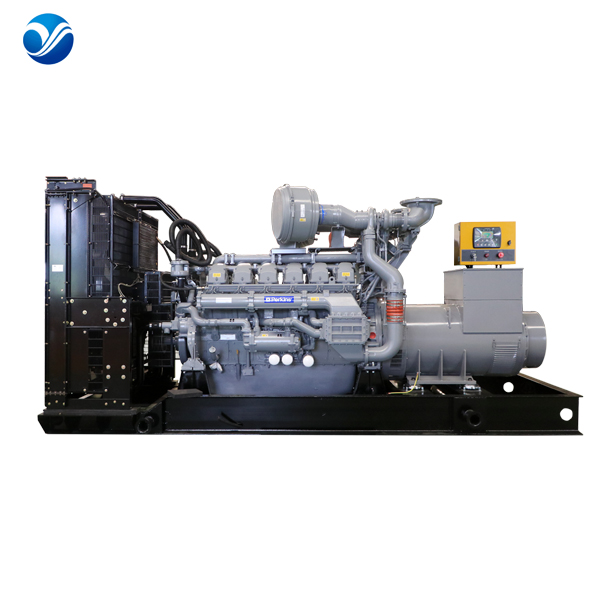
A diesel generator set is a combination of a diesel engine and an electrical generator (alternator) used to generate electricity. The diesel engine serves as the primary source of mechanical power, while the generator converts that mechanical power into electrical energy. The entire system is designed to be robust and reliable, offering a consistent power output even in emergency scenarios.
The diesel generator set is commonly used for emergency power, especially in situations where grid power is unreliable, unavailable, or disrupted. It is a preferred choice for many industries due to its high efficiency, availability of fuel, and durability.
To understand how a diesel generator set works, it is essential to first examine the key components that make up the system:
Diesel Engine: The core of the generator set, the engine burns diesel fuel to generate mechanical power. It is usually a four-stroke engine, though two-stroke engines may also be used in certain applications.
Alternator: Also known as a generator, this part of the system is responsible for converting mechanical energy into electrical energy. It consists of a rotor and a stator that work together to generate power.
Fuel Tank: Diesel generators require a fuel supply to operate, and the fuel tank stores the diesel fuel. The size of the tank varies based on the power output and the intended runtime of the generator.
Cooling System: Diesel engines generate a significant amount of heat during operation. The cooling system prevents the engine from overheating by circulating coolant to absorb excess heat.
Exhaust System: Like any internal combustion engine, a diesel engine produces exhaust gases. The exhaust system directs these gases out of the generator set, ensuring safe operation.
Control Panel: The control panel allows operators to monitor and control the generator set's operation. It provides important information such as voltage, current, and fuel levels, and can be used to start and stop the generator.
Lubrication System: The lubrication system ensures that the engine’s moving parts operate smoothly by reducing friction. This extends the lifespan of the engine and improves efficiency.
A diesel generator set is often used in emergency power scenarios where a fast and reliable backup power solution is needed. The process of how it works during an emergency involves several stages:
When there is a power failure or interruption in the main electrical grid, the diesel generator set is automatically triggered to start. The detection system, which is often integrated with the facility's electrical system, senses the loss of power and sends a signal to the generator's control panel to start the engine.
Once the signal is received, the control system activates the starter motor, which turns the diesel engine over. Once the engine reaches the required operating speed, it begins the combustion process, where diesel fuel is injected into the engine's cylinders, and ignited by the engine's compression. This ignition creates mechanical energy, which drives the alternator to generate electricity.
The alternator converts the mechanical energy from the diesel engine into electrical energy. As the alternator rotates, it generates an alternating current (AC), which is then routed through the electrical system to supply power to the connected loads.
Once the generator is running and producing power, it supplies electricity to the essential systems that are connected to the backup power supply. This is where the diesel generator set plays a vital role in maintaining operations. For example, in coal mining, the diesel generator set powers critical equipment, such as conveyor belts, ventilation systems, and lighting, ensuring that mining operations can continue without disruption.
While the generator is running, it is continuously monitored by the control panel. The control panel ensures that the generator is operating efficiently, regulating fuel consumption, engine temperature, and voltage output. If any irregularities are detected, the control system may alert operators and take corrective action to prevent damage to the equipment.
Once the grid power is restored and stabilized, the generator set can be shut down. The transfer switch automatically switches the power source back to the grid, and the generator is turned off. In some cases, the generator may remain on standby to ensure that power can be restored quickly if there is a secondary power failure.
One of the primary reasons why diesel generator sets are used for emergency power is their reliability. Diesel engines are known for their longevity, requiring less maintenance compared to other types of engines. The combination of a rugged diesel engine and the durable design of the generator set ensures that these systems are capable of delivering power in critical situations.
Diesel fuel is widely available and can be stored for long periods without significant degradation. This makes diesel generator sets an excellent choice for emergency power, as the fuel supply can be readily accessed in most locations.
In emergency situations, the ability to start a diesel generator set quickly is crucial. Diesel generators can be started remotely or automatically within a matter of seconds, making them highly responsive to power outages.
Diesel fuel tends to be less expensive than other fuel types like gasoline, which makes diesel generator sets a cost-effective option for long-term backup power needs. This is especially important for industries that rely heavily on backup power to maintain operations.
Compared to other types of backup power systems, diesel generator sets require less frequent maintenance. Regular inspections, oil changes, and fuel filters are usually sufficient to keep the system running smoothly.
In industries like coal mining, where continuous power supply is critical for the operation of machinery and equipment, a diesel generator set serves as a reliable backup power source. Coal mining machines such as excavators, shovels, and conveyor systems rely on a steady power supply to perform their tasks.
Diesel generator sets are ideal for such applications because of their ability to operate in harsh conditions. The rugged environment of a coal mine requires a generator set that can withstand dust, heat, and vibrations. Diesel-powered units are particularly suited for this role, offering robust performance even in the most demanding environments.
In some applications, especially in urban or residential areas, silent diesel generator sets are used to reduce noise pollution. These units are equipped with noise-dampening enclosures and advanced mufflers, ensuring that they operate quietly. Silent diesel generators are particularly useful in areas where noise regulations are strict, such as hospitals, shopping malls, or residential complexes.
Understanding the generator set parts and how they contribute to the operation of the generator is essential for ensuring its optimal performance. Key parts include:
Battery: Provides the necessary power to start the generator.
Alternator: Converts mechanical energy into electrical energy.
Voltage Regulator: Maintains stable voltage output, ensuring that the electrical systems receive consistent power.
Cooling System: Keeps the engine at the proper operating temperature.
Each of these parts plays a vital role in ensuring that the diesel generator set functions effectively during an emergency.
Q1: How long can a diesel generator set run during an emergency?
A diesel generator set can run as long as it has a sufficient fuel supply. The runtime varies based on the load it is supporting and the size of the fuel tank.
Q2: What are the advantages of a silent diesel generator set?
A silent diesel generator set is quieter than regular units, making it ideal for residential areas or locations with noise regulations.
Q3: Can diesel generator sets be used in harsh environments?
Yes, diesel generator sets are well-suited for harsh environments such as construction sites, coal mining operations, and remote locations due to their durability and reliability.
Q4: What maintenance is required for a diesel generator set?
Routine maintenance includes checking oil levels, replacing fuel filters, cleaning air filters, and inspecting the cooling system.
Q5: Are diesel generator sets environmentally friendly?
Modern diesel generator sets are designed to meet emissions standards, making them more environmentally friendly than older models. However, diesel engines do produce some emissions.
In conclusion, a diesel generator set plays a crucial role in providing emergency power in a variety of industries. From powering coal mining machines to ensuring that urban operations continue without disruption, these generator sets offer reliability, cost-effectiveness, and efficiency. With their ability to quickly start, operate in harsh conditions, and deliver consistent power, diesel generator sets are an indispensable part of emergency power systems worldwide.


