

Views: 0 Author: Site Editor Publish Time: 2026-02-04 Origin: Site


Generators are essential power sources for both residential and commercial applications, providing reliable electricity in case of an outage. However, the noise, fumes, and emissions they generate can often be a significant concern, especially when used in indoor spaces. This is where silent type generators come in, offering a quieter, more convenient alternative to traditional models. But the question remains: are silent type generators safe for indoor use? In this article, we’ll explore the safety of using silent generators indoors, considering factors such as ventilation, carbon monoxide emissions, noise levels, and general operational risks.
A silent type generator is a specialized version of a power generator designed to operate with minimal noise. These generators use advanced technologies such as soundproof enclosures, low-noise engines, and vibration isolation systems to significantly reduce the noise level compared to standard generators. While silent type generators are quieter and more suitable for noise-sensitive environments, they still have to comply with safety regulations regarding indoor usage.
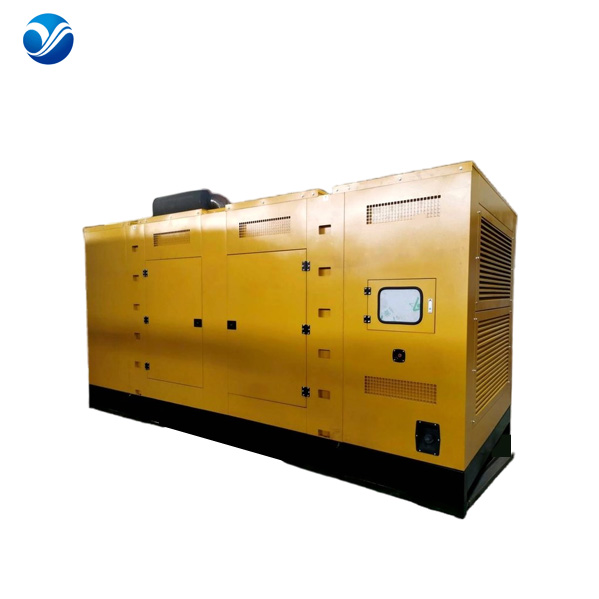
Silent generators achieve their low noise levels through a combination of the following factors:
Soundproof Enclosures: These generators come with specially designed enclosures made from sound-absorbing materials that prevent noise from escaping.
Low-Noise Engine Technology: Many silent type generators utilize engines that are engineered to reduce noise. These engines often feature enhanced mufflers and optimized combustion processes.
Vibration Isolation: Vibration is a major contributor to generator noise. Silent type generators incorporate advanced vibration-damping materials and techniques to minimize vibrations.
Advanced Exhaust Systems: The exhaust systems in silent generators include mufflers that reduce the noise generated by the expulsion of exhaust gases.
These features make silent type generators ideal for use in environments where noise reduction is a priority, such as residential homes, hospitals, schools, and even certain commercial spaces.
While silent type generators are designed to be quieter than traditional models, safety for indoor use depends on several factors. The most critical aspects to consider are ventilation, carbon monoxide emissions, and general safety precautions.
Ventilation is the most important factor to consider when using any type of generator indoors. Silent type generators are designed to be used in a variety of environments, but they still require proper ventilation to ensure that the fumes and gases produced during operation are safely expelled. Using a silent generator indoors without proper ventilation can lead to the buildup of harmful gases like carbon monoxide (CO), which can be dangerous or even deadly.
Carbon Monoxide (CO): CO is a colorless, odorless gas that is produced when a generator runs on fuel. It is highly toxic and can cause serious health issues or death if inhaled in large quantities. This is why silent type generators, like all fuel-powered generators, must not be used in closed, unventilated spaces. If a generator is to be used indoors, it must be placed in a room with proper ventilation, such as a large garage with open doors or a designated room with an exhaust fan system.
Fresh Air Circulation: To ensure safe operation, make sure that the generator’s exhaust gases are directed outside the building. Ideally, the exhaust system should be vented through a pipe or chimney to allow the gases to safely exit the premises. Indoor spaces where silent type generators are used must have adequate airflow to prevent dangerous gases from accumulating.
When using any type of fuel-powered generator indoors, including silent generators, it is essential to install carbon monoxide detectors. These alarms can detect the presence of CO and alert the occupants to evacuate if CO levels become dangerous. Many health and safety guidelines recommend placing carbon monoxide detectors near the generator’s exhaust system or in areas where the generator is being used.
Regulations: The National Fire Protection Association (NFPA) and OSHA (Occupational Safety and Health Administration) guidelines require generators to be used with proper ventilation and CO detection when operating indoors.
One of the primary benefits of a silent type generator is its noise reduction. Silent generators produce significantly less noise than traditional generators, typically ranging from 65-75 dB, compared to the 85-100 dB generated by standard models. This makes them more suitable for indoor use in environments where noise pollution can be an issue, such as:
Residential Homes: A silent type generator can be used for backup power without disturbing the peace of the household or the neighbors.
Offices and Commercial Spaces: For businesses that rely on uninterrupted power, a silent generator offers the reliability of a standard generator while maintaining a quiet working environment.
Hospitals and Healthcare Facilities: Many hospitals and medical facilities use silent type generators to provide emergency power without causing disruptions to patients or medical staff.
Despite the low noise levels, it is still crucial to ensure that silent type generators are placed away from sensitive areas where excessive heat or small amounts of noise might cause discomfort, such as inside living spaces or near operating rooms.
Generators, including silent type generators, generate heat during operation. If they are used indoors without proper cooling or ventilation, the heat buildup can create unsafe conditions. Ensure that the generator has sufficient space around it for airflow to prevent overheating. Overheating could damage the generator and may lead to fire hazards.
Heat dissipation: Some silent type generators are designed with advanced cooling systems that help regulate the engine’s temperature during operation. However, it’s important to ensure that the generator is positioned in a well-ventilated area, preferably in a location where heat can dissipate easily.
Where you place your silent type generator indoors plays a crucial role in its safety and performance. It is essential to position the generator in an area with adequate ventilation and away from flammable materials. A common mistake is to place the generator inside an enclosed room or directly against a wall, which limits airflow and traps dangerous fumes.
Recommended Locations: Silent generators should be placed in large, open spaces with access to fresh air. If indoors, it is better to place the generator in a garage with open windows or near an external wall where the exhaust can be safely vented outside.
Avoid Indoor Placement: Never place a silent generator in an enclosed room like a basement, storage area, or utility room without proper ventilation systems in place.
Another consideration when using a silent type generator indoors is the type of fuel it uses. Most silent generators run on diesel, gasoline, or propane. Each fuel type has different safety considerations:
Gasoline: Gasoline-powered generators should be used with caution indoors, as gasoline vapors are highly flammable and can accumulate in the air.
Diesel: Diesel generators tend to be more fuel-efficient, but they also produce fumes that require proper ventilation.
Propane: Propane generators are generally safer in terms of emissions, but they still require proper ventilation and should not be used in completely enclosed spaces.
Make sure to store fuel in appropriate containers away from the generator and in a well-ventilated area to avoid fire risks.
While silent type generators are quieter than standard generators, they still produce carbon monoxide and other harmful fumes. Therefore, they must only be used in well-ventilated areas. Always ensure proper exhaust systems and ventilation are in place to safely expel gases.
To safely use a silent type generator indoors, make sure the area is well-ventilated. Ideally, the generator should be placed near a window or an exterior wall to allow exhaust gases to be vented outside. Always install carbon monoxide detectors and monitor the generator during operation.
Ensure adequate ventilation and airflow.
Install a carbon monoxide detector.
Avoid placing the generator in enclosed spaces without proper exhaust systems.
Maintain a safe distance from flammable materials.
Regularly check the generator for signs of overheating or malfunction.
Yes, silent type generators are ideal for residential areas because they operate at lower noise levels (65-75 dB). However, you still need to ensure proper ventilation and follow safety guidelines to avoid risks associated with carbon monoxide buildup.
Yes, silent type generators are commonly used in hospitals to provide backup power without causing disturbances to patients. However, they must be placed in a designated area with proper ventilation and exhaust systems to ensure safe operation.


